
Understanding the psychological triggers that drive gambling behavior
Understanding the psychological triggers that drive gambling behavior
The Allure of Risk and Reward
The concept of risk and reward is fundamental to gambling behavior. Gamblers often find themselves drawn to the excitement of potentially winning large sums of money. This thrill can create a powerful psychological stimulus, leading to a rush of adrenaline as the stakes rise. For many, the possibility of a life-changing jackpot can overshadow the reality of the risks involved, creating a compelling desire to engage in gambling activities. Particularly for newcomers to this arena, knowing the best betting sites for football can enhance the overall experience, making informed choices easier.

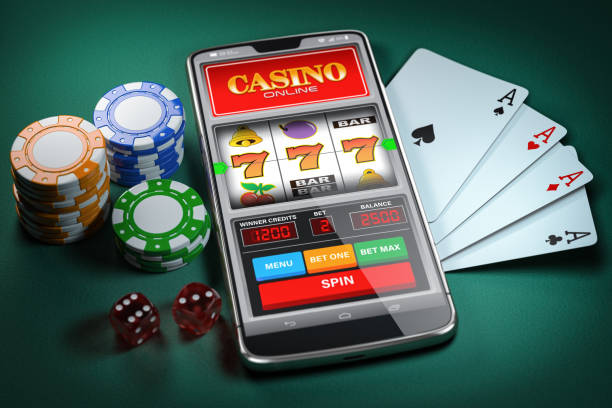
This allure is heightened by the intermittent reinforcement schedule that many gambling games utilize. Just like a slot machine that pays out occasionally, this unpredictability can reinforce the behavior, keeping players returning for more. This psychological phenomenon, known as the “gambling effect,” suggests that even small wins can maintain enthusiasm and encourage repeated play, creating a cycle that can be hard to break.
The Role of Cognitive Biases
Cognitive biases play a significant role in shaping gambling behavior. One of the most prevalent biases is the illusion of control, where players believe they can influence the outcome of a game, despite it being based purely on chance. This belief can lead individuals to overestimate their skills or luck, compelling them to engage more deeply in gambling activities, often against their better judgment.
These cognitive distortions can be exacerbated by the design of gambling environments. Casinos and online platforms often employ strategies that cater to these biases, such as presenting wins in a way that emphasizes the excitement and downplays the losses. This manipulation can further entrench a gambler’s erroneous beliefs, reinforcing behavior that may ultimately lead to addiction.
The Influence of Social Factors
Social dynamics significantly impact gambling behavior. Many individuals are introduced to gambling through friends or family, which can normalize the activity and frame it as a harmless pastime. Social gatherings centered around gambling, like poker nights or casino trips, can create a sense of community and belonging, making it difficult for individuals to recognize any potential negative consequences.
Peer pressure also plays a crucial role in shaping attitudes toward gambling. In some circles, gambling is celebrated, and winning is associated with skill and prestige. This social validation can spur individuals to gamble more frequently or at higher stakes, fueled by the desire to fit in and gain approval from peers.
Additionally, the rise of social media has introduced new dimensions to gambling behaviors. Platforms that promote gambling games and experiences can amplify the allure of betting, as individuals see their friends engaging in these activities. This visibility can create a sense of urgency to participate, potentially leading to reckless gambling choices as users seek to replicate the experiences highlighted by their peers.
The Impact of Emotional States
Emotions play a pivotal role in gambling behavior, often influencing decisions and risk assessment. Stress, anxiety, and depression can all serve as triggers for gambling. Individuals may gamble to escape negative emotional states, seeking the highs of winning as a form of relief or distraction. This creates a cycle where emotional distress leads to gambling, which may provide temporary relief but ultimately exacerbates the original emotional issues.
Conversely, positive emotions can also drive gambling behavior. Excitement and euphoria from wins can create a desire to seek out similar feelings, leading to repeated gambling. This quest for heightened emotional experiences can become a pattern, where individuals chase the “high” of a big win, risking financial stability in the process.
Understanding this emotional connection is vital for individuals seeking to manage their gambling behavior. Recognizing triggers and employing healthier coping mechanisms can help prevent the transition from casual gambling to problematic gambling. Strategies such as mindfulness and emotional awareness can empower individuals to make more informed decisions regarding their gambling habits.
Exploring Solutions for Healthy Gambling
To address the psychological triggers of gambling behavior, a comprehensive approach is essential. Awareness and education about the risks associated with gambling can help individuals make informed choices. Programs aimed at educating players about cognitive biases, the emotional aspects of gambling, and the potential for addiction can equip them with the tools needed to gamble responsibly.
Support networks and professional help can also play a vital role. Therapy and support groups provide safe spaces for individuals struggling with gambling issues to share their experiences and develop healthier coping strategies. These resources can foster accountability and promote recovery, helping individuals break free from the cycle of gambling dependence.
In addition, creating a balanced view of gambling is crucial. While many enjoy gambling as a form of entertainment, understanding its risks can lead to healthier engagement. Setting strict limits on time and money spent on gambling, as well as recognizing when it may be time to take a break, are practical steps toward maintaining a healthy relationship with gambling activities.
Your Guide to Responsible Gambling Resources
When seeking information on gambling behavior, our website is dedicated to providing resources and insights to promote responsible gambling practices. We understand that recognizing and managing psychological triggers can be complex, and our goal is to simplify this journey for individuals at all experience levels.
Our platform offers a wealth of knowledge, including expert articles, tips for responsible gambling, and access to supportive communities. By exploring our resources, users can gain a deeper understanding of their gambling habits and find pathways to healthier engagement with gambling activities.
We invite you to explore our offerings as you navigate the world of gambling. With informed choices and robust support, we can foster a culture of responsible gambling that prioritizes well-being and enjoyment over risk and regret.
“`