
The evolution of gambling A journey through history
The evolution of gambling A journey through history
The Ancient Roots of Gambling
The origins of gambling can be traced back thousands of years, with evidence suggesting that ancient civilizations engaged in various forms of betting and games of chance. Archaeological findings indicate that games involving dice were played in Mesopotamia as early as 3000 BC. These early games were often tied to religious practices and were seen as a way to communicate with the gods, illustrating the deep psychological connection between humans and gambling that persists to this day. Furthermore, if you’re looking for a thrilling experience, consider checking out a new canadian online casino, which offers a wide range of games that appeal to modern players.

In ancient China, gambling was integral to social activities, with games like Keno being used to raise funds for government projects. The use of betting on sporting events also emerged during this period, reflecting a developing understanding of probability and risk management. As various cultures adopted their own forms of gambling, the universal appeal of games of chance began to establish itself, leading to the global phenomenon we witness today.
The psychological aspects of gambling were evident even in these ancient times, as people engaged in these activities not just for monetary gain but also for social interaction and entertainment. The thrill and excitement that accompany games of chance provided an escape from daily life, showcasing the inherent human desire to challenge fate and seek rewards, a theme that continues to resonate in modern gambling practices.
The Rise of Gambling in the Middle Ages
During the Middle Ages, gambling transformed significantly, particularly in Europe. The establishment of formalized gambling games, such as cards and board games, became prevalent. This era saw the rise of gaming houses and gambling halls, where individuals could congregate for entertainment and chance. The introduction of the playing card deck in the 14th century further popularized gambling across the continent, reflecting a shift towards more structured forms of betting.
As these establishments gained popularity, so did the societal perceptions of gambling. While it was often viewed with skepticism by religious institutions, which associated it with sin and moral decay, it also became a staple of social life. The psychology of gambling during this time evolved to encompass not only risk-taking behavior but also the camaraderie and rivalry that emerged in competitive settings, influencing social interactions among peers.
By the end of the Middle Ages, gambling had begun to establish a firm foothold in various cultures, with laws and regulations emerging to govern its practice. This period marked a turning point in the acceptance of gambling as a legitimate pastime, setting the stage for the more organized and commercialized forms of gambling that would follow in the centuries to come.
The Evolution of Gambling in the Modern Era
The 18th and 19th centuries ushered in a new era of gambling, characterized by the establishment of casinos and the proliferation of lotteries. The first modern casino, the Casino di Venezia, opened in Italy in 1638, setting a precedent for luxury gambling establishments that catered to the affluent. The rise of the Enlightenment brought about a new understanding of probability, paving the way for more sophisticated gambling strategies and a deeper psychological engagement with games of chance.
During this time, the psychology of gambling began to be scrutinized, with scholars exploring the motivations behind why individuals engage in betting behavior. Studies revealed that the excitement and unpredictability of gambling create a rush that can be addictive. This understanding laid the groundwork for modern psychological studies on gambling addiction, highlighting the need for responsible gambling practices and player protection.
The introduction of regulated gaming environments and betting laws in various countries further facilitated the growth of the gambling industry. The establishment of betting exchanges and online platforms in the late 20th century expanded accessibility, allowing individuals to gamble from the comfort of their homes. This digital evolution brought with it new psychological challenges, as the allure of immediate gratification and anonymity intensified the risks of gambling behavior, necessitating ongoing research and strategies for responsible gambling.
The Digital Revolution and Its Impact on Gambling
The advent of the internet revolutionized gambling, transforming traditional practices into an expansive digital landscape. Online casinos, sports betting websites, and virtual gaming platforms emerged, making gambling more accessible than ever before. This digital shift enabled players to engage in a wide variety of games, from poker to slot machines, all available at their fingertips. The psychology behind online gambling differs in significant ways, as the removal of physical boundaries introduces new dynamics of risk and reward.
Players are often enticed by bonuses, promotions, and the thrill of live dealer games, creating an immersive experience that can be incredibly engaging. However, this accessibility also raises concerns about addiction, as the lines between casual gambling and compulsive behavior can blur in an online environment. Research continues to explore the psychological effects of online gambling, emphasizing the importance of awareness and understanding of personal limits.
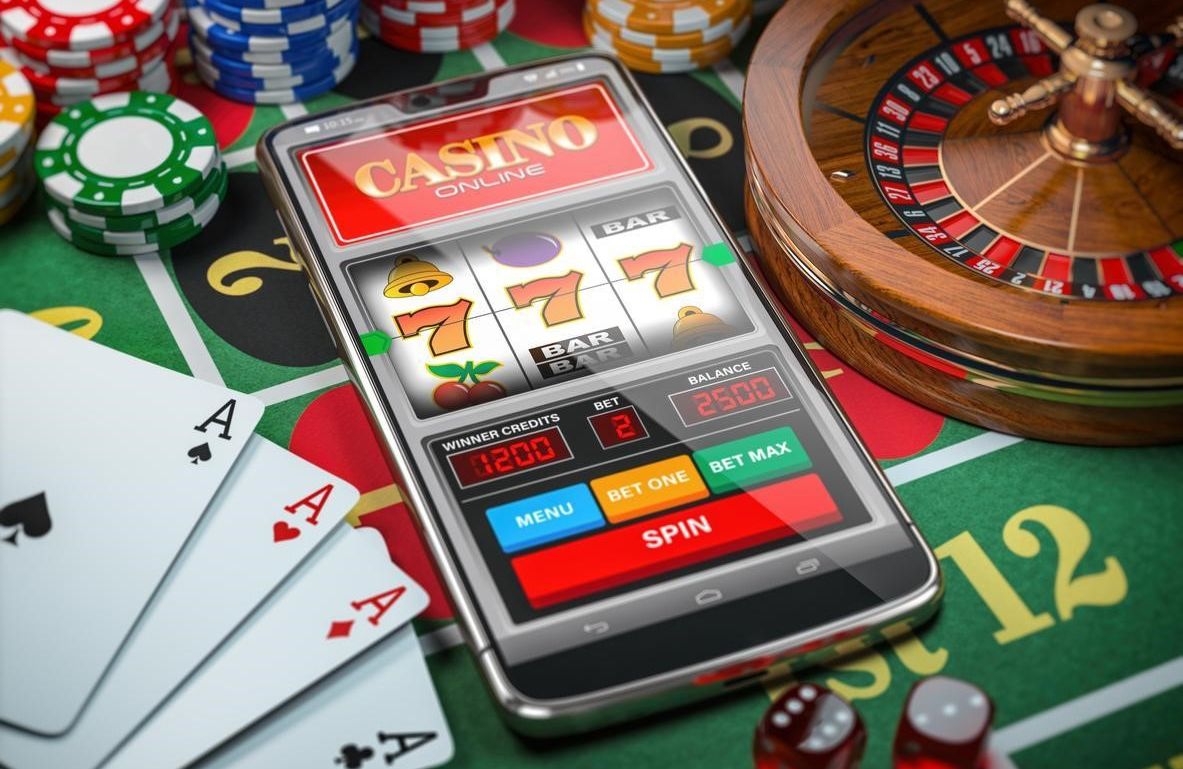
Moreover, the rapid growth of mobile gambling applications has further transformed how individuals interact with gambling. The convenience of placing bets on smartphones has led to an increase in impulsive gambling behavior, posing new challenges for regulatory bodies. As the gambling landscape continues to evolve, the interplay between technology and psychology remains crucial in understanding player behavior and promoting responsible gambling practices.
Understanding Gambling in Today’s Society
In today’s society, gambling is a multi-billion dollar industry that affects millions of individuals worldwide. From casinos to online platforms, the variety of options available caters to diverse interests and preferences. The social and psychological implications of gambling are vast, influencing not only individual behavior but also societal norms and perceptions. With an understanding of the historical context, it becomes clear how gambling has integrated into modern culture.
As the industry evolves, so does the conversation surrounding gambling addiction and responsible gaming. Awareness campaigns and support networks have emerged to assist those struggling with gambling-related issues. This focus on mental health and wellness is crucial in addressing the negative consequences that can arise from gambling behavior. Ongoing research continues to highlight the psychological factors at play, emphasizing the importance of education and prevention strategies.
Furthermore, online resources and platforms, such as our website, play a vital role in providing information about safe gambling practices and tips for maintaining control while enjoying gaming activities. By offering insights into responsible gambling, we aim to foster a healthy relationship with gambling and encourage players to make informed choices in their gaming experiences.