
Understanding the psychological triggers behind gambling behavior
Understanding the psychological triggers behind gambling behavior
The Allure of Risk and Reward
Gambling taps into the fundamental human emotions of risk and reward. The anticipation of winning can trigger a release of dopamine, the brain’s pleasure chemical, making the experience highly enticing. This biological response is similar to that of other rewarding activities, such as eating or socializing, but with the added thrill of uncertainty. The immediate gratification that comes from a win reinforces the behavior, creating a cycle that can be hard to break. For those seeking to maximize their experience, exploring a new online casino bonus can be a game-changer.
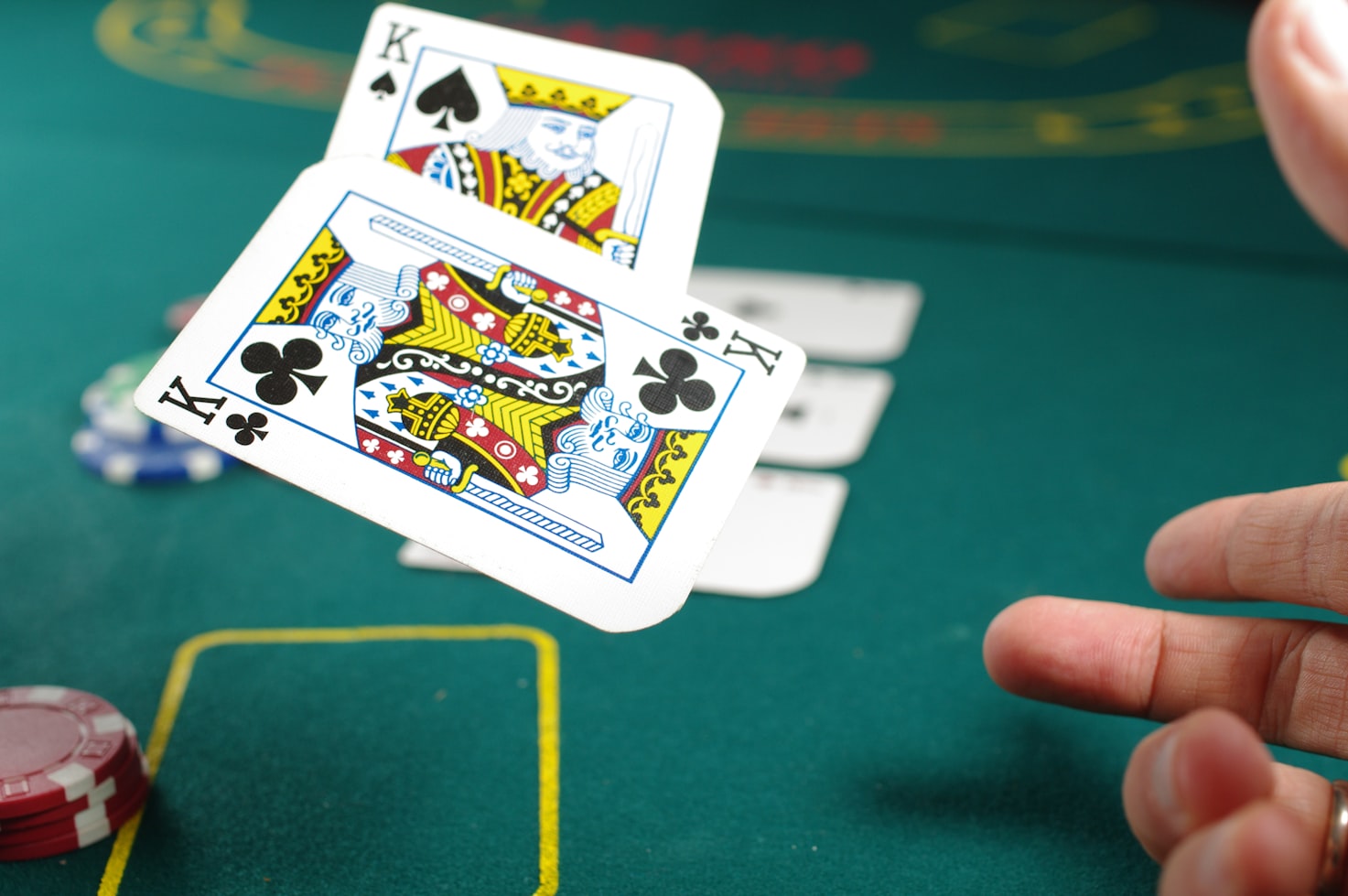
Moreover, the environment where gambling occurs plays a significant role in amplifying these feelings. Bright lights, loud sounds, and the excitement of other players contribute to a heightened state of arousal. This sensory overload can lead to impulsive decisions, as players often become enveloped in the atmosphere of the game. The combination of psychological excitement and the potential for financial gain can often overshadow rational thinking.
A fascinating aspect of this trigger is the concept of “near misses.” Studies show that experiencing near wins can be just as rewarding as actual wins, encouraging continued participation. This phenomenon creates a sense of hope and motivates gamblers to persist, despite losing streaks, leading to a deeper psychological dependency on the activity.
The Role of Cognitive Biases
Cognitive biases are systematic patterns of deviation from norm or rationality in judgment, and they significantly influence gambling behavior. For instance, the illusion of control leads gamblers to believe they can influence the outcome of random events, such as dice rolls or card draws. This false sense of mastery can drive individuals to wager more than they otherwise would. Recognizing this bias is crucial for understanding how it skews perception and decision-making in gambling.
Another common cognitive distortion is the gambler’s fallacy, where individuals mistakenly believe that previous outcomes affect future events. For example, a player might think that a slot machine is “due” for a payout after a series of losses. This fallacy can lead to persistent gambling behavior, as players chase losses or believe they are on the verge of a big win, reinforcing compulsive gambling habits.
These cognitive biases are not merely individual quirks; they are often exploited by casinos and online gambling platforms. Promotional strategies that play on these biases can encourage players to gamble longer and more frequently, making it essential for gamblers to be aware of how their thought patterns may lead them astray.
The Social Dynamics of Gambling
Gambling often occurs in social contexts that heighten its appeal. The social aspect can provide a sense of camaraderie among players, enhancing the thrill of the experience. Whether in a physical casino or an online platform, the presence of others can create a competitive atmosphere that encourages increased wagering. Engaging with friends or strangers can also act as a form of validation, further entrenching individuals in the gambling community.
Peer influence can significantly affect gambling behavior. Observing others winning or having a good time can create a desire to participate, leading to impulsive decisions. Additionally, social norms within certain groups can normalize high-risk gambling behavior, making it seem more acceptable and even desirable. This social pressure can contribute to the escalation of gambling activities and lead to a lack of awareness regarding its negative consequences.
However, it’s important to note that social gambling can have both positive and negative effects. While it can foster connection and enjoyment, it can also create an environment where problematic gambling behaviors flourish. Individuals must navigate these social dynamics carefully to avoid becoming entrapped in harmful habits, understanding that moderation is key to a healthy gambling experience.
The Impact of Emotional States
Emotional states significantly affect gambling behavior, often acting as triggers for engaging in the activity. People may turn to gambling as a way to cope with stress, anxiety, or depression, believing it will provide an escape from their problems. This reliance on gambling as a form of emotional relief can lead to a vicious cycle, where individuals gamble to alleviate negative feelings, only to create new problems through financial loss.
Moreover, the concept of mood regulation can further explain why people gamble. Research suggests that individuals often gamble to improve their mood or to celebrate achievements. This can lead to impulsive decisions, particularly in high-stress situations where individuals may be seeking immediate gratification. The instant rewards associated with gambling can provide a temporary boost, yet the long-term consequences are often detrimental.
Understanding the relationship between emotions and gambling is essential for developing effective coping strategies. Recognizing triggers, whether they stem from stress, loneliness, or joy, can help individuals make more informed choices about their gambling behavior. By addressing underlying emotional issues through healthier outlets, individuals can reduce their reliance on gambling as a means of emotional management.
Responsible Gambling and Awareness
Understanding the psychological triggers behind gambling behavior is essential for promoting responsible gambling practices. Awareness of cognitive biases, emotional states, and social influences can empower individuals to make informed decisions about their gambling activities. Education plays a vital role in equipping players with the knowledge necessary to identify harmful patterns and seek help if needed.
Responsible gambling initiatives often focus on providing resources and support for individuals struggling with gambling addiction. Programs aimed at raising awareness about the risks associated with gambling can help demystify the allure and promote healthier choices. By fostering open conversations about gambling behavior and its psychological triggers, communities can work towards reducing the stigma associated with seeking help.
Ultimately, understanding gambling behavior extends beyond individual players. It involves a collaborative effort among stakeholders, including casinos, online platforms, and mental health professionals. Together, they can create environments that prioritize player safety and well-being, fostering a culture of responsibility in the gambling community.

Exploring Online Gambling Platforms
As the landscape of gambling continues to evolve, online platforms are becoming increasingly popular among players. These sites often provide a convenient and accessible way for individuals to engage in gambling activities. However, the psychological triggers we’ve discussed are just as relevant in this digital space. The sensory experiences and cognitive biases that affect traditional gambling can also significantly influence online players.
Moreover, online gambling presents unique challenges and advantages. While players benefit from a wider variety of games and bonuses, they may also experience heightened feelings of isolation, which can exacerbate gambling issues. Understanding these dynamics is crucial for ensuring a balanced approach to online gambling. Players must remain aware of their emotional states and the potential pitfalls associated with virtual gambling environments.
The importance of a trustworthy online platform cannot be overstated. With resources like DCA News, players can find reliable information on licensed casinos that prioritize safety and responsible gambling practices. By staying informed about the psychological triggers and potential risks associated with online gambling, individuals can enhance their gaming experiences while minimizing negative consequences.