
Understanding the psychological triggers that drive gambling behavior
Understanding the psychological triggers that drive gambling behavior
The Allure of Risk and Reward
One of the primary psychological triggers behind gambling behavior is the allure of risk and reward. Many individuals are inherently drawn to situations that offer the potential for large payoffs despite the risks involved. The thrill associated with betting, particularly in high-stakes environments, creates an adrenaline rush that can be addictive. This rush is often intensified in casino settings, where bright lights, sounds of winnings, and the general atmosphere of excitement further fuel the desire to engage in gambling. Additionally, exploring reliable sites such as neosurf casino can enhance the experience.

This risk-reward dynamic plays on the human brain’s reward system. When a person wins a bet, the brain releases dopamine, a neurotransmitter associated with pleasure and reward. This positive reinforcement encourages repeat behavior, making the individual more likely to gamble again in hopes of recapturing that euphoric sensation. As a result, the cycle of gambling becomes self-perpetuating, with the highs of winning often overshadowing the potential lows of loss.
The concept of loss aversion also plays a significant role. Individuals often prefer avoiding losses to acquiring equivalent gains, which means that once someone starts gambling, they may continue betting in an effort to recover losses. This psychological bias can lead to escalating gambling behavior, as the gambler becomes increasingly fixated on recouping their losses, ultimately leading them deeper into the gambling cycle.
The Role of Cognitive Distortions
Cognitive distortions are another critical factor that impacts gambling behavior. These are irrational thought patterns that can alter an individual’s perception of reality. For instance, many gamblers fall prey to the “gambler’s fallacy,” which is the belief that past events influence future outcomes. A player may believe that after a series of losses, they are “due” for a win, prompting them to continue betting. This misconception can lead to continued gambling despite poor odds.
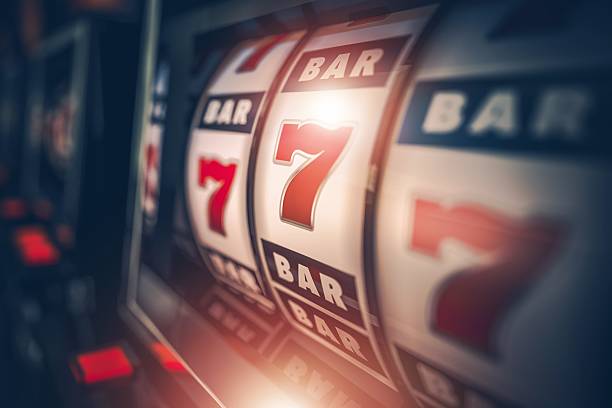
Additionally, the concept of “near misses” can create a false sense of winning. When gamblers experience outcomes that are close to winning—such as spinning a slot machine and nearly hitting a jackpot—they may interpret this as a sign that they are close to a win. This perception can reinforce their gambling behavior and increase their likelihood of playing again, driven by the hope of finally achieving success.
Moreover, the illusion of control plays a significant role in gambling. Gamblers often believe they can influence the outcome of games, especially in skill-based games like poker or sports betting. This perceived control can make them feel more confident in their decisions, leading to increased gambling frequency. Recognizing these cognitive distortions is crucial for understanding and addressing problem gambling behavior effectively.
The Impact of Social Environment
The social environment significantly influences gambling behavior as well. Many individuals are introduced to gambling through friends, family, or social networks, which can create a communal experience that feels exciting and enjoyable. Peer pressure may encourage individuals to gamble in social settings, reinforcing the notion that gambling is a normal and acceptable behavior.
Furthermore, the social aspect of gambling can create a sense of belonging or camaraderie among gamblers. Sharing experiences, discussing strategies, and celebrating wins can enhance the enjoyment of gambling and foster a community. This social reinforcement can make it difficult for individuals to recognize when their gambling behavior may be becoming problematic.
Additionally, the rise of online gambling platforms has transformed the social landscape of gambling. Players can now engage with others from around the world, creating a global community of gamblers. This accessibility can increase gambling frequency and intensity, as players are exposed to a broader range of betting opportunities and social interactions that can normalize excessive gambling behavior.
The Influence of Marketing and Advertising
Marketing and advertising strategies play a significant role in shaping gambling behavior. Casinos and online gambling sites invest heavily in promotional campaigns designed to attract new players and retain existing ones. These advertisements often highlight the excitement and glamour associated with gambling, portraying it as an entertaining and glamorous activity.
Many casinos use psychological tactics, such as loyalty programs and bonuses, to encourage repeat gambling. By offering incentives like free spins or exclusive access to high-stakes games, operators entice players to return and continue betting. This approach can make gambling feel rewarding and can lead to sustained engagement, especially among individuals who may be more susceptible to the psychological triggers of gambling.
The portrayal of gambling in media also contributes to societal perceptions. Movies, television shows, and advertisements frequently glamorize the lifestyle of gamblers, creating an image that can be appealing to many. This representation can lead to a normalization of gambling behavior and encourage individuals to participate without fully understanding the risks involved, making them more susceptible to developing problematic gambling habits.
Responsible Gaming Practices and Resources
As understanding the psychological triggers behind gambling behavior is crucial, it’s equally important to promote responsible gaming practices. Individuals need to be educated on the risks of gambling and the signs of problem gambling. Awareness campaigns can help players recognize their limits, ensuring they approach gambling as a form of entertainment rather than a means to make money.
Resources and support systems are essential in addressing gambling issues. Many organizations offer counseling, support groups, and educational materials for those struggling with gambling addiction. These resources can provide valuable assistance, allowing individuals to gain control over their gambling habits and make informed decisions about their gaming activities.
At Neosurf, we prioritize safe gambling practices. Our platform offers comprehensive guides and tools aimed at helping players navigate the online gambling landscape responsibly. By promoting informed gaming decisions and providing a secure environment, we strive to enhance the overall gaming experience for our users, ensuring that gambling remains a fun and enjoyable activity without the associated risks.